

Abuse. See it for what it is.
Abuse can happen anywhere
Abuse can happen anywhere – and it’s not always easy to recognise. It happens in homes, in education settings, on public transport, online, at work, on nights out and in relationships. Often hidden. Often dismissed. Often missed. But the scale is impossible to ignore:
2.2 million
women aged 16+ experienced domestic abuse in 2025
1 in 5
women have been a victim of stalking
200,000+
Sexual offences recorded by the police in 2024/25
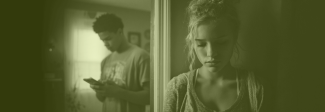
Can you spot what crosses the line?
We all think we know when something’s gone too far. But spotting the line isn’t always that easy. Some behaviours can seem harmless until you look closer.
Take the quiz to see how well you can spot what crosses the line.
Take the quiz
What is abuse?
Abuse isn’t always easy to spot. Some people think it’s only physical, but it can also be stalking someone online, sharing a nude pic of your partner with your mates or deciding what a woman wears or who she sees.
If we all recognise abuse for what it is, we can help stop it.

Need support?
If you’re experiencing or have experienced abuse, you don’t have to face it alone. Support is available – talking to someone can make a big difference.

Is it crossing the line?
Most people don’t set out to cross a line. But sometimes it’s hard to tell when it’s happened. A message, a joke, a comment – they can feel harmless at the time but still go too far.
See what crossing the line looks like, and how to change it.

Reporting abuse
If you or someone you know has been affected by abuse, there are ways to report it. Find out more about how to report abuse.
If you or someone you know is in immediate danger, call 999.